My Sandpaper Story
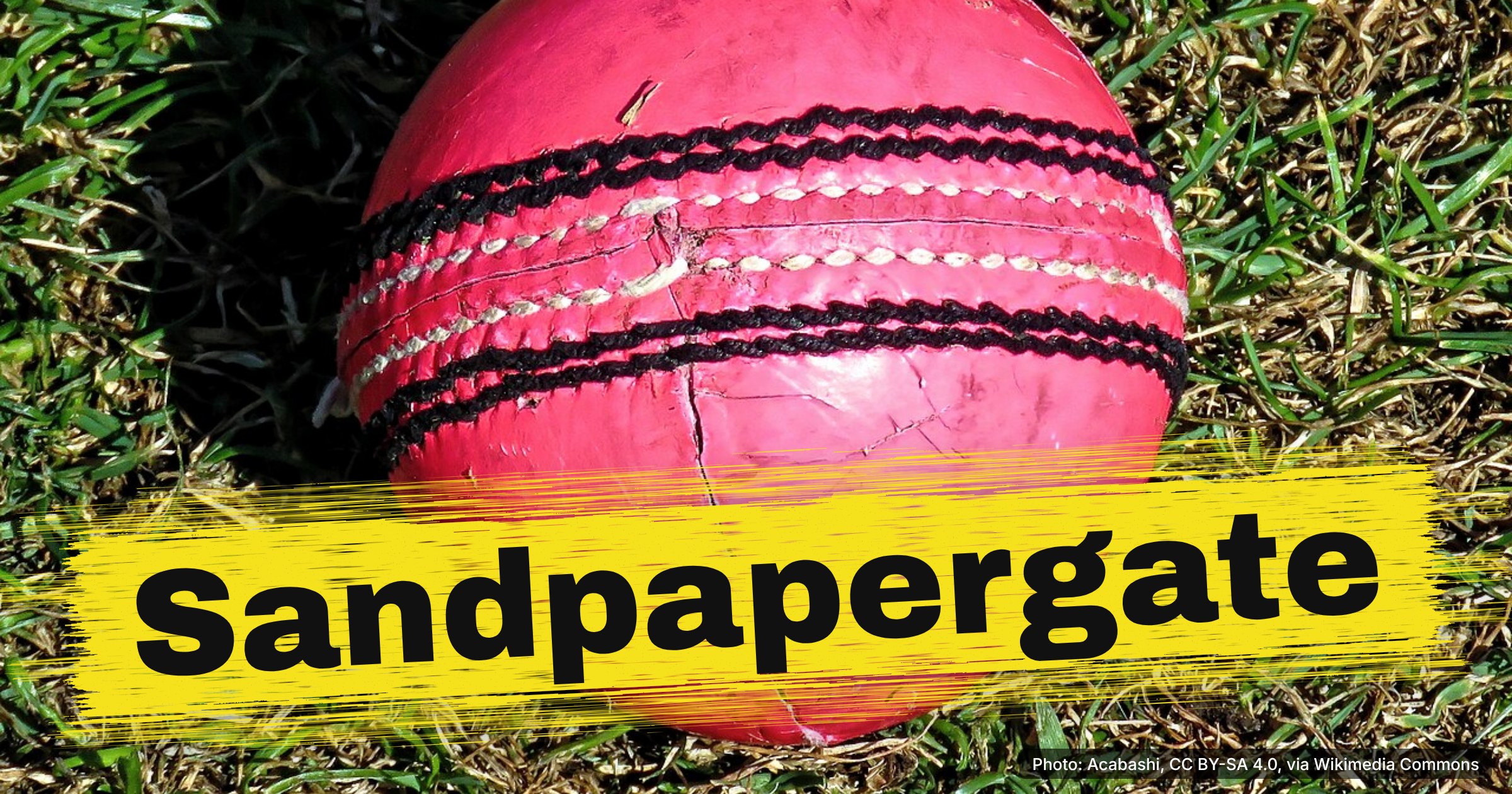
For those who don’t follow cricket (yes, it’s the game where a match can last five days and still end in a draw), here’s some quick context. In 2018, members of Australia’s men’s national cricket team were caught during a Test match in Cape Town using sandpaper to rough up the ball so it would swing more in the air. Three players were banned, and the episode became known as Sandpapergate.
Eight years later, it is back in the news. Usman Khawaja, who played in that Test, has released a memoir, Sabr, in which he says the plan was a collective endeavor.
In 2018, it was about cheating. This time it is about camaraderie, and that story reaches far beyond cricket. A team stands up for a cause and executes the plan together, but when the repercussions come, one person becomes the scapegoat. It can happen in any sector. I have seen it play out in multiple forms across both industry and academia, from cross-functional project teams to research labs, and I was once on the receiving end myself (Figure 1).

Why it happens
No one sets out to abandon a teammate. Shared decisions feel safe while a plan is working. When it fails, silence feels safer than solidarity, because standing beside someone in trouble means sharing some of the trouble.
What good teams do
Camaraderie shows most clearly when a plan goes wrong. Good teams own their decisions together, especially when things fall apart. Most of us have been on both sides of this story at some point: the one who stepped forward, and the one who stayed quiet.
What’s your sandpaper story?
Header photo: Acabashi, CC BY-SA 4.0, via Wikimedia Commons (cropped, text added).
